
At the very southern tip of the Sinai Peninsula, where the crystal-clear waters of the Gulf of Suez meet the deep indigo of the Gulf of Aqaba, lies a place that feels like the edge of the world. Ras Mohammed National Park isn’t just a protected area; it is a sanctuary of raw, desert beauty and some of the most vibrant underwater ecosystems on the planet. For travelers staying in Sharm El Sheikh, a pilgrimage to this desert-meets-ocean paradise is essential. However, a common dilemma arises before you even pack your fins: Should you explore Ras Mohammed by boat or by land?
The answer depends entirely on the rhythm of your curiosity. Whether you want to drift over vertical coral walls that drop into the abyss or walk across sun-baked crusts of earth to find hidden mangroves and secret beaches, Ras Mohammed offers two distinct souls. Choosing between them is about deciding how you want to connect with the wild spirit of the Red Sea.
The Call of the Blue: Experiencing Ras Mohammed by Boat
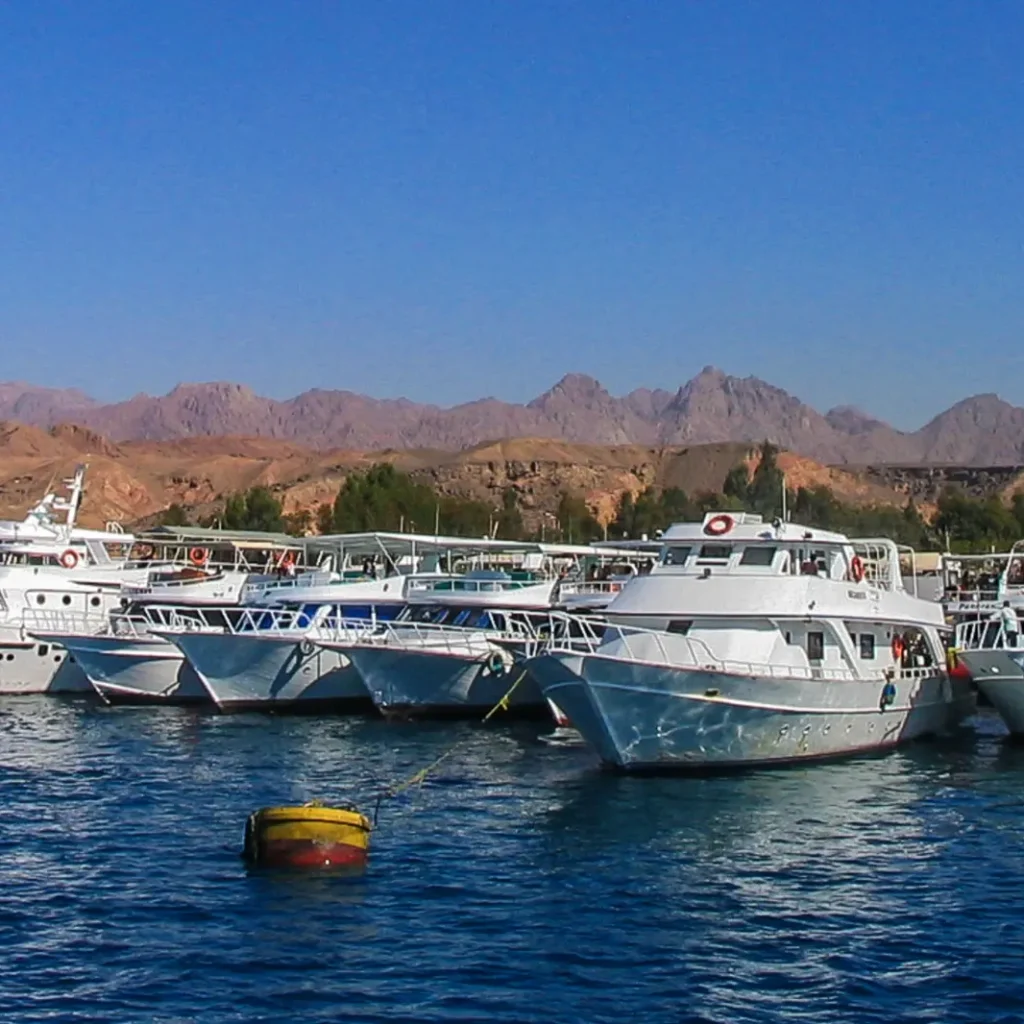
For many, the dream of Egypt involves a sleek white sundeck, a warm breeze, and the rhythmic sound of the hull slicing through turquoise waves. Taking a boat trip to Ras Mohammed is an immersion into the “Big Blue.” This is the preferred route for dedicated snorkelers and divers who want to access the legendary reefs that sit further from the shoreline—spots where the currents bring in large schools of tuna, barracuda, and even the occasional reef shark.
As you sail out from the marina, the Sinai mountains begin to shrink into a golden haze, leaving you surrounded by every shade of blue imaginable. The boat allows you to visit iconic sites like Shark and Yolanda Reef, famous not just for their breathtaking coral gardens but for the quirky underwater “museum” of porcelain toilets—cargo from a shipwrecked vessel decades ago. Between stops, you can lounge on the deck, enjoying a freshly prepared lunch as the sea air sharpens your appetite. It is a day of effortless luxury and deep-water exploration, where the focus remains firmly on the world beneath the surface.
The Heart of the Desert: Exploring by Land
While the boat offers scale, the land excursion offers intimacy. Traveling to Ras Mohammed by car or van reveals the park’s rugged terrestrial magic that sailors never get to see. The journey begins at the iconic Allah Gate—a massive stone monument designed to spell “Allah” in Arabic when viewed from a distance—which serves as a spiritual and physical entrance to the wilderness.
On land, the experience is tactile. You can stand at the edge of the “Earthquake Crack,” a deep fissure in the earth formed by ancient seismic activity, or walk through the Enchanted Lagoon, where the water changes color from pale mint to deep emerald as the tide shifts. Perhaps the most ethereal sight is the Mangrove Forest. These resilient trees grow in the saltwater, their roots acting as a nursery for tiny fish and crabs, creating a lush green contrast against the stark desert landscape. When you finally reach the shore at places like Marsa Bareika, you can simply wade into the water from the sand. There is a profound sense of peace in being able to sit on a quiet beach, watch the horizon, and enter the water at your own pace.
Making the Choice: Practical Considerations
To help you decide which path to take, consider what kind of traveler you are and what your priorities for the day might be:
| Feature | By Boat | By Land |
| Main Focus | Deep-water snorkeling and diving | Landscapes, geology, and shallow snorkeling |
| Vibe | Social, breezy, and relaxing | Adventurous, exploratory, and quiet |
| Key Sights | Yolanda Reef, Shark Reef, open sea | Allah Gate, Mangroves, Magic Lake, Cracks |
| Accessibility | Best for those who love the open water | Best for families with kids or those prone to seasickness |
| Photography | Stunning sea-to-shore vistas | Unique desert formations and panoramic viewpoints |
Cultural and Ecological Context
Ras Mohammed was established as Egypt’s first national park in 1983, a testament to the country’s commitment to preserving its natural heritage. The area is a delicate balance of ecosystems. When you visit, you aren’t just a tourist; you are a guest in a living laboratory. The rangers and local guides often share stories of how the park has transformed over the years, emphasizing the importance of “looking but not touching.” Whether you are on a boat or a beach, remember that the coral you see takes centuries to grow. Using reef-safe sunscreen and maintaining a respectful distance from the wildlife ensures that this “Garden of Eden” remains vibrant for generations of travelers to come.
Common Traveler Questions
What is the best time of year to visit?
Spring (March to May) and Autumn (September to November) offer the most comfortable temperatures. The water is warm enough for long snorkeling sessions, and the desert heat is manageable for land exploration.
Is it safe for non-swimmers?
Absolutely. By land, non-swimmers can enjoy the incredible geological sites and shallow lagoons where you can stand in waist-deep water. On boats, life jackets are always provided, and professional guides often lead “snorkeling lines” to keep everyone safe and comfortable.
Do I need a special visa?
If you are staying in Sharm El Sheikh, you might have a “Sinai Only” visa. However, to visit Ras Mohammed (especially by land), you generally need the full Egyptian Tourist Visa. It is best to check current regulations or ask your tour operator before heading out.
An Unforgettable Sinai Memory
Whether you choose the deck of a boat or the dust of the desert road, Ras Mohammed will leave an indelible mark on your soul. It is a place where the silence of the desert meets the vibrant symphony of the sea. You might find your highlight is the sight of a Napoleon Wrasse gliding past your mask, or perhaps it’s the moment you stand atop a limestone cliff, looking out over the meeting point of two continents.
Egypt’s beauty is often found in its contrasts. If time allows, why choose? Experience the land one day and the sea the next. Each perspective tells a different chapter of the story of this ancient, sun-drenched land.
Comment (0)