
The Red Sea is no longer a secret. Most travelers arriving in Sharm El Sheikh or Hurghada are whisked away to the famous reef systems of the national parks or the well-trodden paths of Tiran. While those iconic spots are breathtaking, there is a different kind of magic found in the places the tour buses pass by. Beyond the crowded jetties and the “snorkel-by-numbers” itineraries lie the quiet corners—the 5 hidden snorkeling spots only locals know—where the coral remains untouched by the fins of a thousand tourists and the atmosphere is one of pure, unscripted discovery.
To find these spots, you have to look toward the edges of the map, where the desert meets the sea in a silent, golden embrace. These are the hidden gems of the Egyptian coastline, offering an intimacy with the ocean that the more famous sites simply cannot match.
1. Marsa Bareika: The Silent Sanctuary
While most visitors to the southern national park head straight for the dramatic drop-offs of Shark Reef, the locals often turn their steering wheels toward Marsa Bareika. This deep, sheltered bay is a masterclass in tranquility. Because it is protected from the open sea’s heavy currents, the water here is often as still as a mirror.
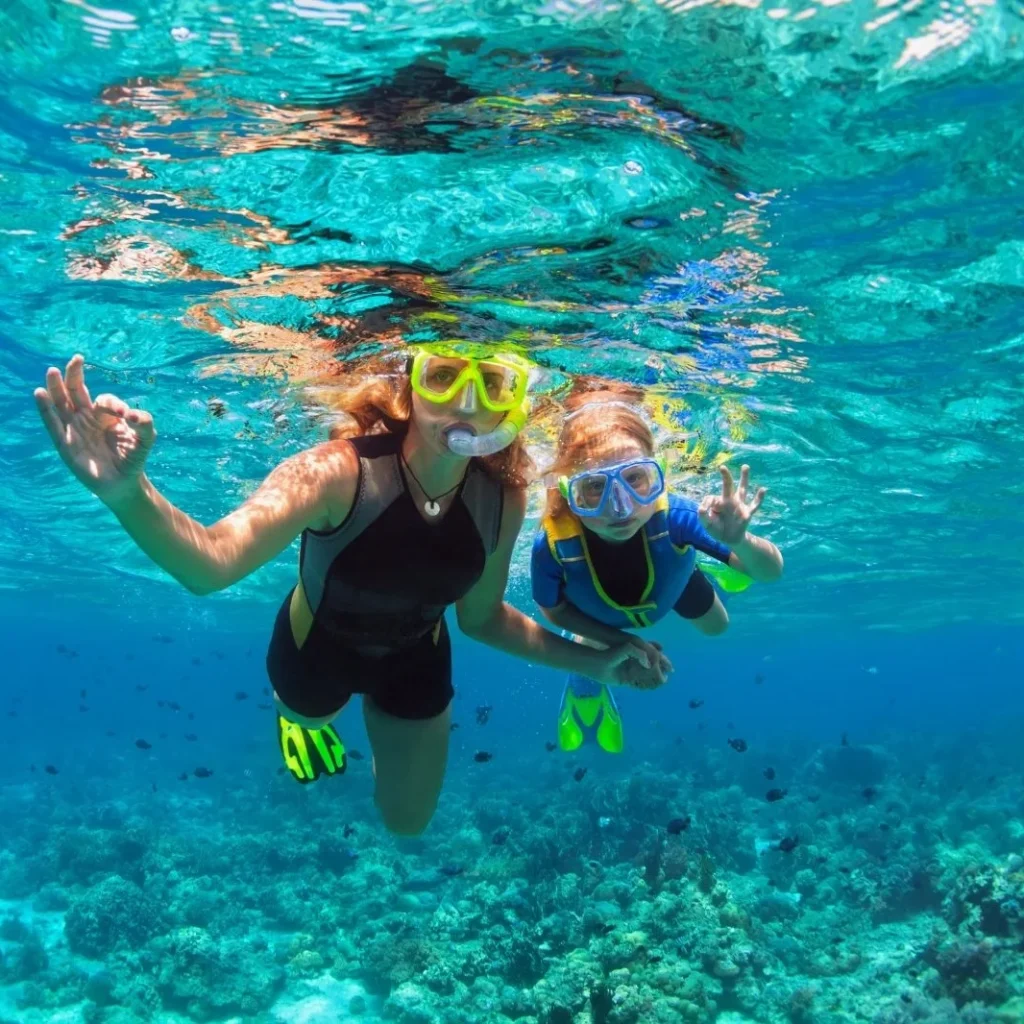
What makes Bareika special isn’t just the calm; it’s the diversity of the seabed. Instead of just vertical walls, you’ll find expansive seagrass meadows. If you move slowly and keep your eyes peeled, you are likely to encounter the ocean’s “gardeners”—large green sea turtles and the occasional, elusive dugong. It is a place for slow snorkeling, where the reward comes to those who wait and watch the sandy bottom come to life.
2. Ras Um Sid: The Golden Heights
Tucked away near the old town of Sharm El Sheikh, Ras Um Sid is technically “known,” but its true depth is only understood by those who live nearby. While the beach at the top can get busy, the local secret lies in the drift. By entering the water further up the coast and letting the gentle current carry you toward the lighthouse, you pass over some of the most spectacular gorgonian fan corals in the entire Red Sea.
These massive, delicate structures reach out into the blue like ancient lace. Because the point of the headland catches the nutrient-rich currents, the fish life here is incredibly dense. You’ll find yourself swimming through “clouds” of orange Anthias fish, with the dramatic backdrop of the Sinai cliffs rising high above you. It is a high-drama snorkeling spot that feels like a private aquarium.
3. The Caves (Dahab): Beyond the Blue Hole
Dahab is famous for the Blue Hole, but the locals know that the crowds there can sometimes detract from the serenity of the sea. Instead, they head south to The Caves. This isn’t a deep cave system for divers only; it’s a series of shallow underwater overhangs and rock formations that snorkelers can easily explore.
The way the sunlight filters through the surface and bounces off the sandy floors of these “caves” creates a shimmering, ethereal light show. The marine life here is distinct—you’ll often find large groupers lurking in the shadows and masked pufferfish hovering near the rocky ceilings. It feels like a secret underwater playground, far removed from the bustling cafes of the main promenade.
4. Sharm El Luli: The Egyptian Maldives
Located far to the south, near Marsa Alam, Sharm El Luli (often called Ras Hankorab) is a place of legend among Egyptian travelers. There are no hotels here, no jetties, and no shops. It is a pristine, white-sand horseshoe bay where the water is so clear it feels invisible.
The snorkeling here is incredibly accessible; you simply walk off the powder-soft sand into a labyrinth of coral pinnacles. Because it is so remote, the coral is in near-perfect condition. You’ll see vibrant purples and yellows that have vanished from more heavily visited areas. It is the ultimate “off-the-grid” experience, where the only sound is the wind and the rhythmic breath through your snorkel.
5. Abu Dabbab: The House of the Giants
Another Marsa Alam treasure, Abu Dabbab, is famous among locals as the “Home of the Turtles.” While it has gained some popularity, it remains a “local” spot because of its rugged, natural feel. The bay features a unique sandy bottom covered in Halophila seagrass, which acts as a magnet for giant green sea turtles—some of which are nearly a century old.
Unlike the reef-heavy sites, Abu Dabbab offers a “safari” feel. You aren’t just looking at coral; you are tracking magnificent creatures in their natural feeding grounds. It’s also one of the few places in Egypt where you might get lucky enough to spot a Guitar Shark—a prehistoric-looking ray that glides effortlessly over the sand.
Why These Spots Matter
Visiting these lesser-known locations offers more than just a quiet swim; it offers a perspective on the Red Sea’s resilience. By stepping away from the main tourist hubs, you support local conservation efforts and reduce the “footprint” on the most stressed reef systems. These sites represent the authentic, raw beauty of the Egyptian coastline—a reminder that the best adventures often happen when you take the road less traveled.
Essential Tips for the Secret Spots
- Go Self-Sufficient: Many of these locations lack facilities. Bring plenty of water, high-SPF reef-safe sunscreen, and snacks.
- Respect the Solitude: Part of the charm of these spots is the quiet. Keep noise levels low and, as always, never touch or step on the coral.
- Hire a Local Guide: The best way to find the exact “entry point” for places like The Caves or Ras Um Sid is to go with a local freediver or instructor. They know the currents better than any map.
Finding Your Own Secret
The Red Sea is a living entity, constantly changing with the tides and the seasons. While these five spots are current local favorites, part of the joy of traveling in Egypt is the discovery. Talk to the person who rents you your gear, ask your boat captain where he goes with his family, and don’t be afraid to explore the quiet stretches of coast between the resorts.
Comment (0)