
There is a moment, just a few meters beneath the surface of the Red Sea, where the world suddenly goes quiet. The frantic splashing of the surface fades away, replaced by the rhythmic, soothing sound of your own breath. Around you, the water isn’t just blue—it’s a living, breathing tapestry of neon corals and curious fish that seem to welcome you into their weightless world. For anyone looking into Diving for Beginners, Egypt is the ultimate classroom; with its exceptionally clear water, minimal currents, and year-round warmth, it is arguably the best place on Earth to take that first breath underwater.
If you’ve been standing on the shore, watching the bubbles rise and wondering what it’s like, this guide is your invitation to finally take the plunge and discover why the Sinai Peninsula is a mecca for underwater explorers.
What Exactly is an “Intro Dive”?
An Introductory Dive (often called a “Discovery Scuba Dive”) is designed specifically for people who have never dived before. Unlike a full certification course, which requires days of study and technical drills, an intro dive is about the experience. You don’t need to be a “pro” swimmer—though being comfortable in the water is a must—and you certainly don’t need to know how the gear works before you arrive.
The process is built on a foundation of safety and “hand-holding.” You are paired with a professional instructor who stays within arm’s reach the entire time. They manage your equipment, your depth, and your buoyancy, leaving you free to do the one thing you came there for: looking at the fish.
Your First Morning: What to Expect
The day usually begins with a mixture of excitement and a few butterflies. Whether you are heading out on a boat from Sharm El Sheikh or walking in from the shore in Dahab, your instructor will start with a “briefing.” This isn’t a long lecture; it’s a simple, friendly chat where you’ll learn:
- Communication: Since you can’t talk underwater, you’ll learn basic hand signals like “Okay,” “Problem,” and “Look at that!”
- The Equipment: You’ll be introduced to your regulator (the mouthpiece you breathe through) and your BCD (the vest that helps you float).
- Basic Skills: You’ll practice two or three simple tasks in shallow water, like clearing water out of your mask or “equalizing” your ears—the same way you do when a plane takes off.
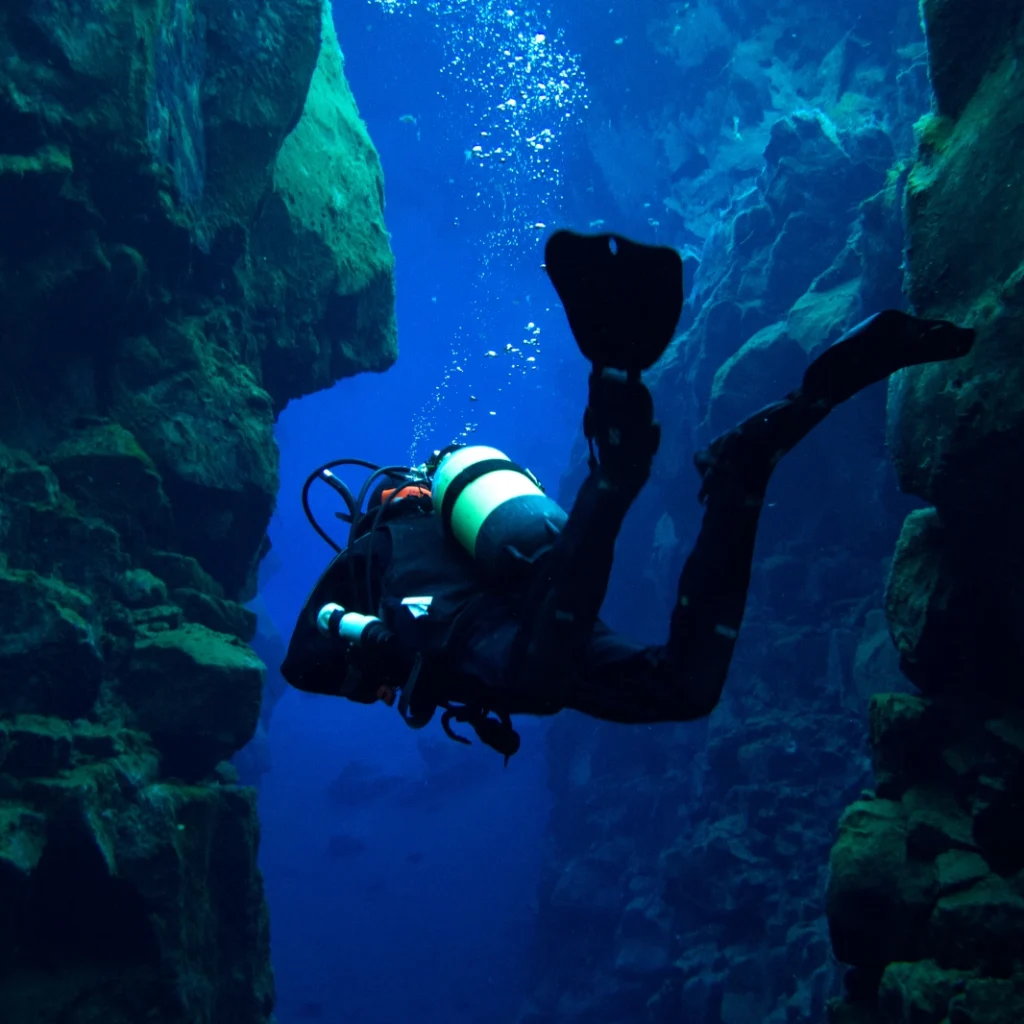
Once you feel comfortable, the magic begins. You’ll slowly descend—usually no deeper than 6 to 10 meters—and as the weight of the gear disappears in the buoyancy of the water, you’ll feel like you’re flying.
Why the Red Sea is a Beginner’s Paradise
Not all oceans are created equal when it comes to learning. The Red Sea is uniquely suited for your first intro dive guide because of its high salt content and desert surroundings. This combination means the water is incredibly buoyant (making it easier to float) and the visibility is often a staggering 30 meters or more.
In places like Hurghada or Marsa Alam, the “house reefs” start just steps from the sand. You don’t have to swim far to see clownfish (Nemo) hiding in anemones or blue-spotted rays gliding over the sandy floor. The lack of heavy waves and strong tides in many of the beginner bays means your first experience is calm, controlled, and utterly mesmerizing.
Overcoming the “First Timer” Nerves
It’s perfectly normal to feel a little nervous about breathing underwater—it’s a very un-human thing to do! Here are a few local secrets to keep you calm:
- Trust the Gear: Scuba equipment is designed with multiple backups. If you can breathe through a straw, you can breathe through a regulator.
- Focus on the Breath: If you feel anxious, just focus on deep, slow exhales. Your instructor will be right there, often literally holding your hand until you feel confident.
- Take Your Time: There is no rush. If you need an extra five minutes in the shallows to get used to the feeling, just signal your instructor. They do this every day and want you to enjoy it as much as they do.
Common Beginner Questions
Do I need a license? No. An intro dive is a one-time experience that doesn’t require a license. However, most centers will give you a “certificate of recognition” which can often count toward your full PADI or SSI Open Water course if you decide to continue.
Can I dive if I wear glasses? Yes! Many dive centers have “prescription masks” available. Alternatively, you can wear contact lenses underwater—just make sure to keep your eyes closed if you ever need to clear water from your mask.
Is it safe? Scuba diving is statistically very safe, especially at the shallow depths used for intro dives. You will be under the direct supervision of an instructor who is trained to handle all situations.
The Beginning of a New Passion
The most dangerous part of an intro dive in Egypt isn’t the sharks (they are shy and rare to see on a shallow dive) or the equipment—it’s the fact that you’ll probably get hooked. Most people surface from their first dive with a giant grin and one immediate question: “When can I go back down?”
When you finally climb back onto the boat or walk back onto the beach, the world will look a little different. You’ll look out at the blue horizon and know exactly what’s happening beneath those waves. You’ve joined the small percentage of humans who have seen the “Silent World,” and your travel stories will never be the same again.


Comment (0)